

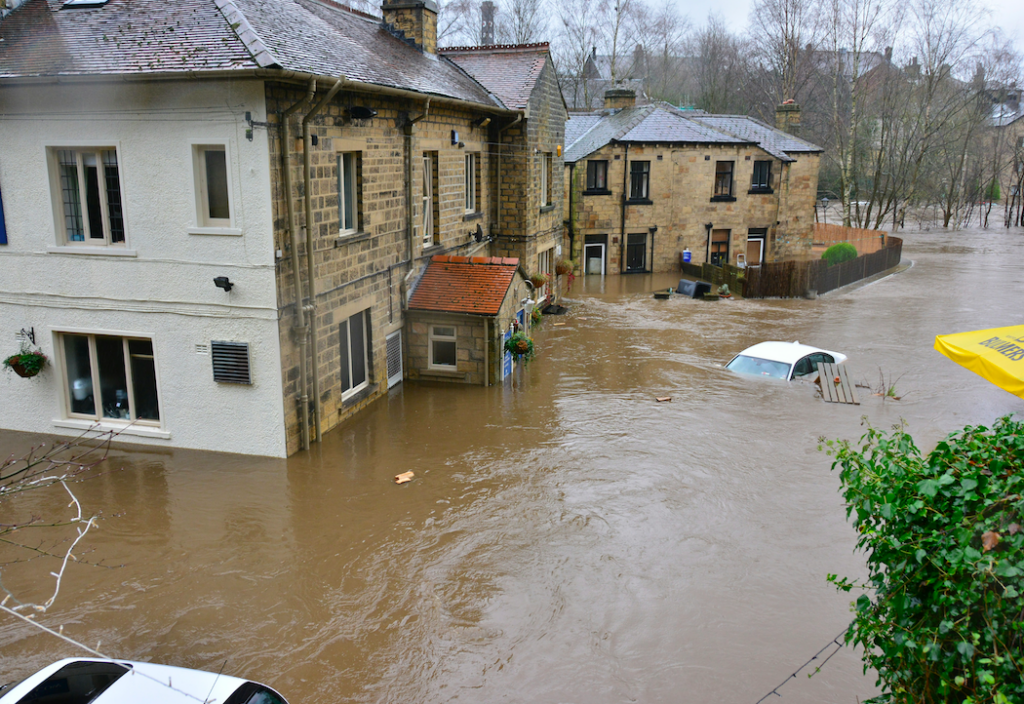
If you take a medication, you need to have a plan in place for climate emergencies
“The first 72 are up to you” is an expression among emergency management officials that means governmental disaster response may take three days to get underway, during which time your survival is left in your hands.If you have a serious medical condition, it is therefore vital that you make a plan for stocking adequate food and medical supplies for those three days. In recent climate disasters across the US, help has sometimes taken much longer than three days to arrive.
In the following article, former CDC public health advisor in disaster preparedness Astri Horsburgh addresses celiac disease and Type 1 diabetes in particular, but many of the recommendations suggested here apply to other chronic conditions that must be planned for in the context of a climate disaster.
According to the literature, about 50% of people caught in an climate emergency do NOT bring their medications with them or run out. Studies have shown that those who had prepared an emergency kit were five times more likely to bring medications with them to evacuation sites.
Community ties are one of the strongest predictors for people’s ability to weather a disaster, according to Horsburgh. Given that major climate disasters are occurring roughly every two weeks in the US, this is an excellent motivation to strengthen those ties now.
We thank LHA guest contributor and former CDC public health advisor in disaster preparedness Astri Horsburgh for this response to a question from a young patient about how to handle celiac disease and Type 1 diabetes in a climate disaster. This article originally appeared in Boston Children’s Hospital magazine Celiac Kids Connection in February 2026 and is reprinted here with permission of the author.
Q: “Every time I read stories about extreme weather I think about emergency supplies for my celiac disease (CD) and Type 1 diabetes. I am curious, do you have any supplies you keep on hand to manage your CD and Type 1 in the case of a blizzard or other weather event?”
Astri: This is an extremely important question, speaking both as someone with several medical conditions and as someone who has worked in public health emergency preparedness. The short answer is that every disaster is different and your preparedness will depend on your situation and surroundings, but there are plenty of general things worth thinking about.
For celiac disease and disasters, I would want to ensure I have enough food I can safely eat in a variety of circumstances. In a disaster where I am stuck at home, like a blizzard or flood, having extra food on hand is a good idea for everyone, and if you have CD, just make sure you and anyone else you live with has thought about stockpiling some non-perishable foods you can eat. Canned foods or dry foods like gluten free (GF) cereals and snacks would work here.
In the case of a disaster where you are forced to evacuate, either on your own – let’s say, in advance of a hurricane – or to an emergency shelter, let’s say after a tornado or fire, you will want to bring food with you. Emergency shelters will provide food, through a local government agency or an organization like the Red Cross, but it’s very possible that the food will be something like sandwiches that are not GF. In a disaster where you have no idea how long it will last, it will be hard to plan the right amount of food in advance, but having something, even a box of GF energy bars, is better than nothing or having to eat unsafe food.
For Type 1 diabetes, things are trickier. One common problem for diabetics during and after disasters is loss of power, which means no refrigeration for insulin. This isn’t good, but it’s better to use insulin stored at the wrong temperature than no insulin. A bigger problem, in my opinion, is getting stuck without sufficient diabetes supplies. With an insulin pump site that only lasts a few days, a continuous glucose monitor a few more than that, and without enough backups on hand, you could be in big trouble very fast. A Red Cross shelter may be able to help you with some medical needs, but it’s not a guarantee, nor are shelters set up for every kind of disaster anyway. Emergency management officials also like to say “the first 72 are up to you,” which means a governmental disaster response may take three days to get underway, during which time your survival has been left in your hands.
At a minimum, you have to have insulin, and syringes to deliver it. Pumps are great, but if you have to evacuate and you run out of pump supplies – or, maybe you’re stranded at home with no way to get more supplies – it’s a good idea to know how to manage with the simplest tools. Have a meter and test strips on hand, too. And along with your GF food stockpile, it’s good to have extra sugar, of whatever kind you like to use to treat low blood glucose.
A lot of disaster preparedness advice will tell you to make a “go-bag” with all your most necessary items, easy to grab in an emergency. This includes important identity documents, medications and prescriptions, a first aid kit, toiletries, water, cash, flashlight, phone chargers, batteries, but I would make sure to add GF food and diabetes supplies to your bag. As things like test strips expire, you’ll need to switch them out eventually, but it can provide both peace of mind and a little more security for you if disaster does strike. Medically speaking, think of it like packing for a trip to a rustic location: what supplies would you need to get through at least the next several days?
Another thing to consider is: who is going to be around you in the case of a disaster? Chances are, you won’t be facing it completely alone. Are your family members or roommates aware of your medical needs? Do you know your neighbors? Are there friends who would check on you? If you had to evacuate, where would you go? Who could you ask for help – for instance, to use the refrigerator of someone who has a backup power generator? Community ties are one of the strongest predictors for people’s ability to weather a disaster (pun intended).
You don’t have to be constantly afraid – that probably won’t help you in any case. But we do live in a world where disaster is not uncommon – I myself have experienced wildfires, tornadoes, hurricanes, and a volcanic eruption, though fortunately I was not severely impacted by them. And with the climate getting more volatile, extreme weather is becoming the “new normal,” which is especially hard on those of us whose lives are more precariously dependent on access to certain foods and medical supply chains. Even if you never have to use it, it’s safer to arm yourself with a go-bag and the knowledge of what you would do in an emergency than to take your chances without it.
This article originally appeared in the Celiac Kids Connection in February 2026 and is reprinted here with permission of the author.
Medical Disclaimer:
The suggestions given here are not intended as a substitute for the medical advice of your physician. The reader should regularly consult a physician in matters relating to health and particularly with respect to any symptoms that may require diagnosis or medical attention. For additional questions, please call your healthcare provider for reliable, up-to-date information on testing and symptom management of all medical concerns.
Photo credit: we thank Chris Gallagher for the photo from Unsplash.com (photos free to use and share).
